Stop Orientating, Start Integrating
Stop Orientating, Start Integrating
Most restaurants treat onboarding as a single day: paperwork, an apron, a quick tour, and then straight into training. On this episode of the Ride or Die Restaurant Show, Greg Provance and Spiro Douvris make the case that this is exactly where most teams lose their best people before they ever get started. Onboarding isn't day one. It's the process that decides whether someone ever truly belongs on your team.
What's the real difference between onboarding and training?
Greg draws a clean line between the two: "Training is all about skills and onboarding is about culture." Training teaches someone how to do the job. Onboarding teaches them how to think and behave inside your organization, what Greg has long defined as culture itself: "how we think and behave, how we do things around here." Treating onboarding as a single checklist on day one, rather than an ongoing process, is how culture ends up happening by accident instead of on purpose.
Why does Greg want to replace the word "orientation" with "integration"?
The shift in language matters because it changes the goal. "I almost feel like maybe we should change this word orientation to integration," Greg says, because the real work is integrating someone into your ecosystem, not just orienting them to a floor plan. Spiro connects this directly to why sister locations under the same brand can feel completely different to work at: when culture isn't deliberately integrated, whatever happens informally on the floor becomes the culture by default, store by store.
What is the "superpower lunch," and why does it matter in someone's first week?
Greg shares a practice he writes about in his book: within the new hire's first week, the GM or owner sits down one-on-one for lunch and discovers that person's unique superpower, then shares it with the rest of the team. "Everybody's got something unique and special they bring to the table," Greg says, "and when you share that at a group level, people start to bond and they start to feel seen and heard." It breaks down the invisible distance between leadership and a brand-new team member, right when that person is deciding whether they belong.
Why does the choice of trainer matter more than most brands realize?
Spiro names a mistake he sees constantly: brands default to pairing new hires with their best employee rather than their best trainer. "Where a lot of brands get it confused is they always pick the best employee rather than the best trainer," he says. A technically skilled employee without the right mindset will just as easily pass along shortcuts, gossip, and "the dirt on all the managers" as they will the actual skill. Greg agrees it's one of the most overlooked levers in the entire onboarding process: the trainer you choose is the culture you're actually installing.
What's the three-phase framework for turning a stranger into a believer?
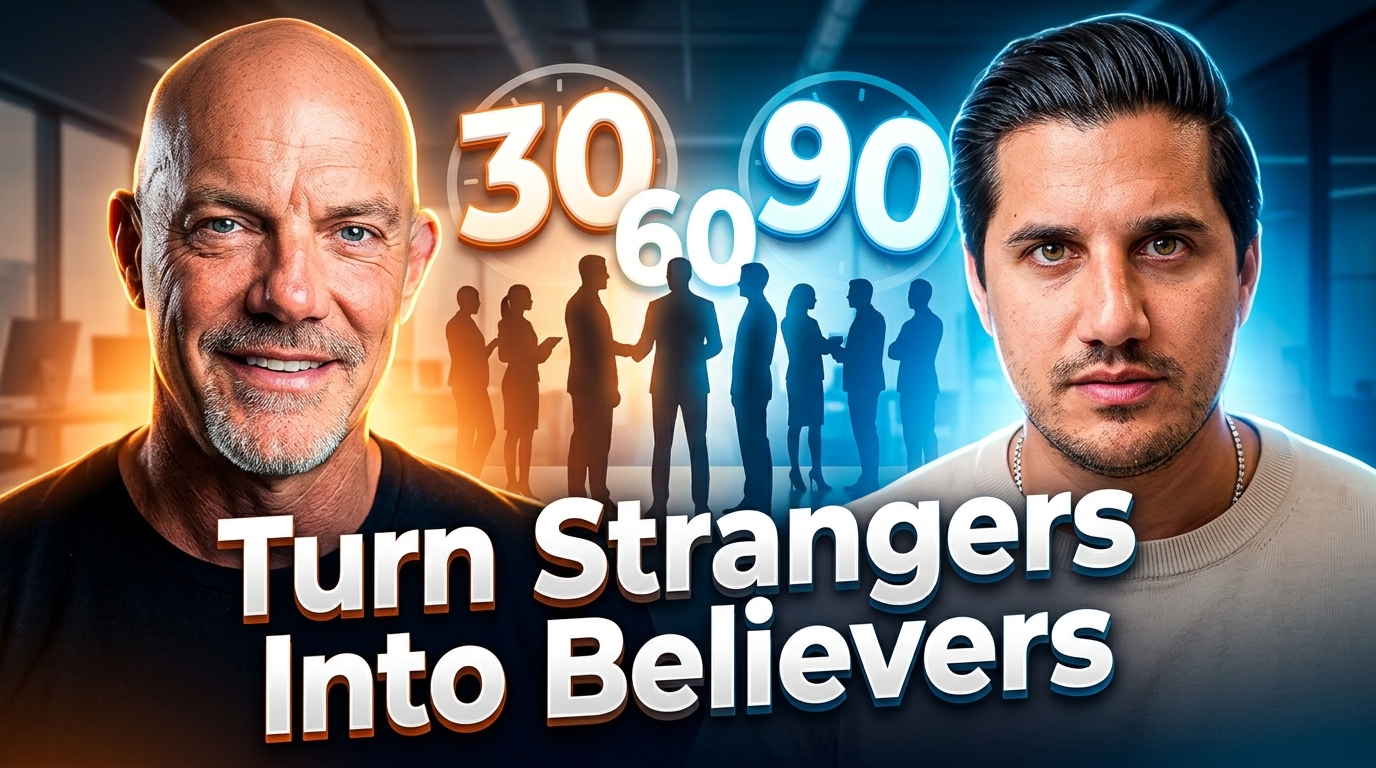
Greg breaks the first 90 days into three phases. First, turn a stranger into a teammate: introductions, learning names, discovering their superpower. Second, turn that teammate into a contributor: they master their station and start demonstrating core values in ways guests and teammates can actually feel. Third, turn the contributor into a believer, Greg's definition of ride or die: "The contributions that I'm making with this team that I'm connected to are bigger than just me showing up to work and punching a clock." Roughly 30 days per phase gives most operators a clear enough read on fit within 90 days.
Why does tying storytelling to technical training matter so much?
Greg tells the story of an Italian restaurant founder who built a signature lemon piccata dish for his daughter whenever she was down. Most training stops at the technical: plating, ingredients, allergens. Greg argues the story has to be woven in too, because the founder's superpower was "making people feel great through food," and that's the lens the whole menu runs through. "Imagine what kind of an experience you're gonna have as a guest when you get that story from your team," he says. Skipping the why behind the how is one of the most common missed opportunities in onboarding.
More from the Rundown: for more on building a team that actually believes, see Stop Hiring Bodies, Start Hiring Believers, Stop Building Concepts, Start Building Community, and Are You Building Drivers or Just Babysitting Doers?.
Building an onboarding process that turns new hires into true believers, not just trained bodies, is exactly what we help restaurant leadership teams install inside the Leadership Circle. If this conversation resonated, learn more about the Leadership Circle here.
Want more conversations like this one? Subscribe to the Ride or Die Restaurant Show and catch every episode at gphospitalitypartners.com/podcast.